Words of the Buddha
Read the suttas of the Pāli canon in parallel Pāli and English — from memorable verses to the long discourses.
Reflection of the Day
“I do not see any other form that so completely obsesses a man’s mind as the form of a woman.”
— AN 1.1·

Fire: Investigating Recurrent Experience
The Buddha cast his entire framework of liberation in the language of fire and its cessation. This essay traces that structure using what we now understand about how fire actually works.
Experience is examined starting with the texture of a single moment, to the cascade of experience, across the terrain where consciousness takes root, and to the extinguishing that is Nibbāna.
Read essay
Parallel Texts
Read Pāli and English side-by-side or interleaved, with line-by-line fidelity to the source.
Contextual Tooltips
Click any Pāli word or translated term for on-the-spot explanations that deepen understanding.
Bookmarks & Highlights
Save discourses and highlight key passages to build your personal collection of insights.
Anthologies
See all →Curated reading paths through the canon — a good place to begin.
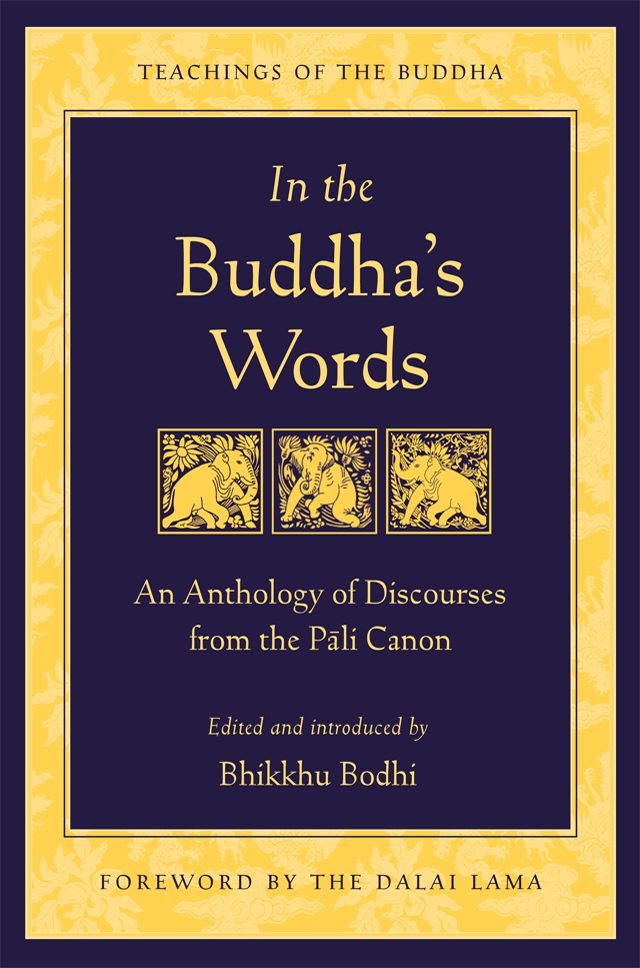
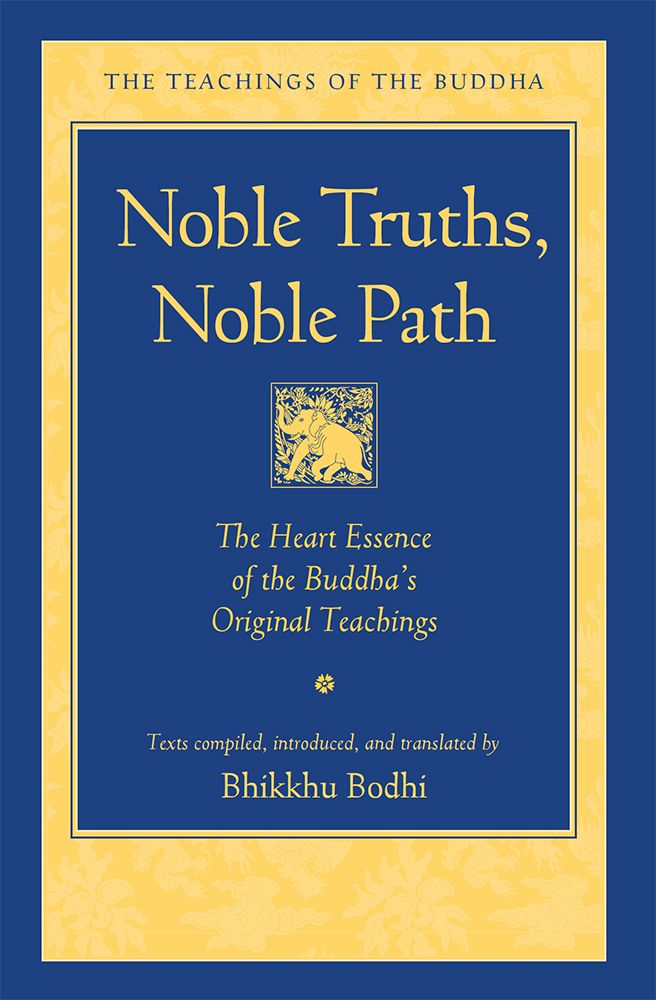
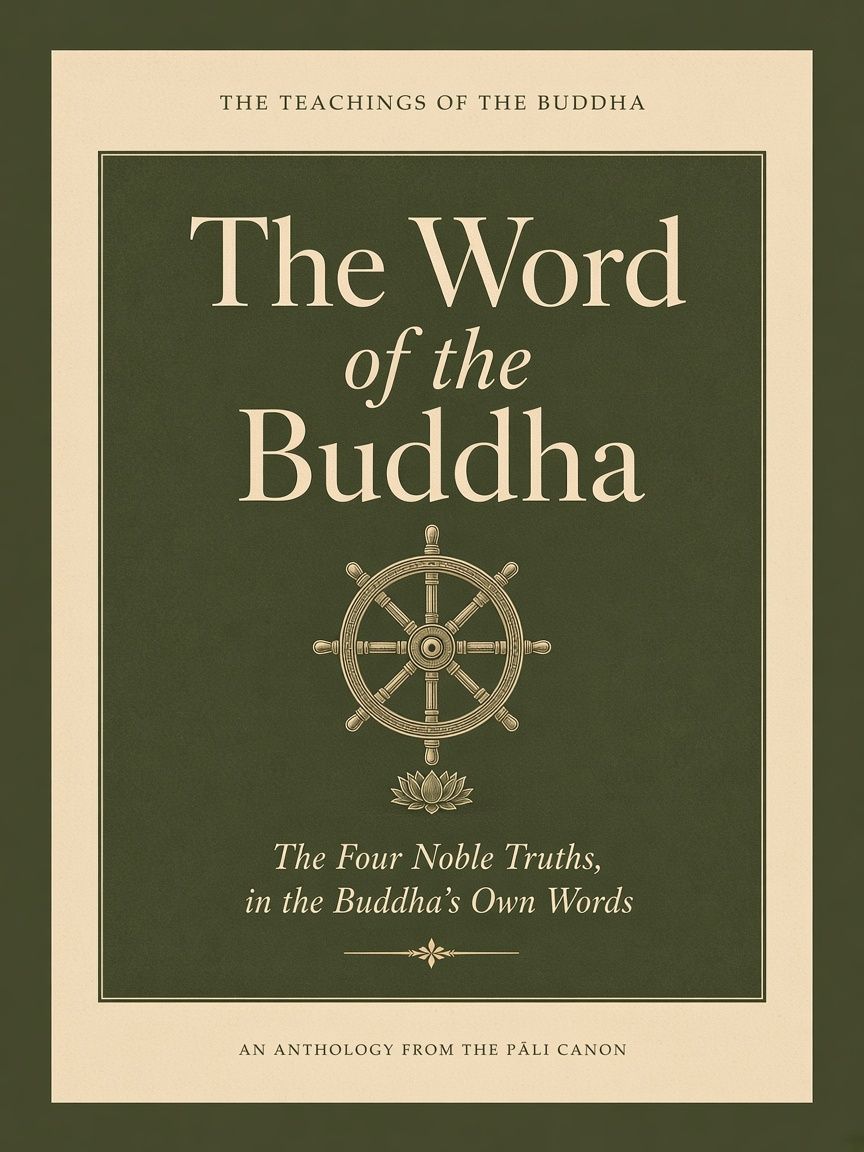
Explore the Collections
Browse the major texts of the Pāli Canon, with parallel Pāli and English on every page.
Latest Discourses
See more →After instructing Venerable Puṇṇa on abandoning delight in sensory objects, the Buddha questions how he will endure hostility in a rough country.
After the Buddha recites the brief verses on “One who has had a single auspicious night,” venerable Mahākaccāna explains how consciousness gets bound to past, future, and present sense experiences.
After the Buddha’s foot is cut by a stone splinter, he endures the severe bodily pain mindfully and lies down in the lion’s posture. Māra approaches to taunt him for sleeping, and the Buddha replies in verse, explaining why one whose dart is removed sleeps in peace.
Seeing junior bhikkhus sleeping until sunrise, the Buddha urges them to train in sense restraint, moderation in eating, and wakefulness.
A well-known bhikkhu who encourages inappropriate bodily action, verbal action, and mental qualities practices for the detriment and unhappiness of many people, whereas one who encourages appropriate bodily action, verbal action, and mental qualities practices for the welfare and happiness of gods and humans.
A daily learning feed of the Buddha's teachings — learn, reflect, and apply in practice.